Vina Venkatesam na nAthO na nAtha sadA venkatesam smarAmi smarAmi
Hare Venkatesa praseeda praseeda priyam Venkatesa prayascha prayascha
Venkatam (வேங்கடம்) – This word exists in Sanskrit and தமிழ் and has the same meaning in both languages. பாபங்கள் எரிக்கப்படும் இடம் வேங்கடம்.
Where sanchita karmas are destroyed, that is Venkatam.
வேம் (Vem) = எரிதல் /destroy
கடன் (katam) = சன்சித பாபங்கள்/sins (sanchita karma)
அசலம் = மலை / unwavering
This mountain (range) /Achalam/அசலம் is believed to have the following four names in the four yugas :
In Krita Yuga, it was Vrishabaadri/Vrishabaachalam– after vrishabaasura who offered his head 5000 times to the Lord. In Tretayuga, it was Anjanaadri/Anjanaachalam – after Anjana. In Dwaparayuga, it was Seshaadri/Seshaachalam – Adishesha’s amsa – seven hills are the seven heads of Adisesha , the king of Serpents on whom Mahavishnu reclines in Vaikuntam. In Kaliyuga, it is now Venkataadri/Venkataachalam
As we cross each of the seven hills, we offer each of these 7 flowers (7 vratas) and reach the Moola prakruthi (மூல ப்ரக்ருதி), the Lord himself.
Ahimsa – Non-violence, in mind and deed
Indriya nigraham – Controlling the 5 Indriyas
Sarva bhutha dhaya – Compassion for all living beings
Kshama – Forgiveness, forbearance/பொருமை , nor test the patience of others
GnyAnam – Knowledge (ஆத்யாத்மிக சிந்தனம்)
Tapas/nyAsam – Saranaagathi (ஆத்ம ஸமர்பணம்)
DhyAnam – Meditation/removal of unnecessary thoughts (பகவத் விஷய ஸங்கல்பம்)
Perhaps this is a reference to the 7 higher worlds to cross before reaching “Paramapadam” or Moksham (Liberation from the cycle of birth and death) viz Bhooh, Bhuvar, Suvar (IndraLoka), Maha, Jana, Tapa, Satyam (Brahmaloka).
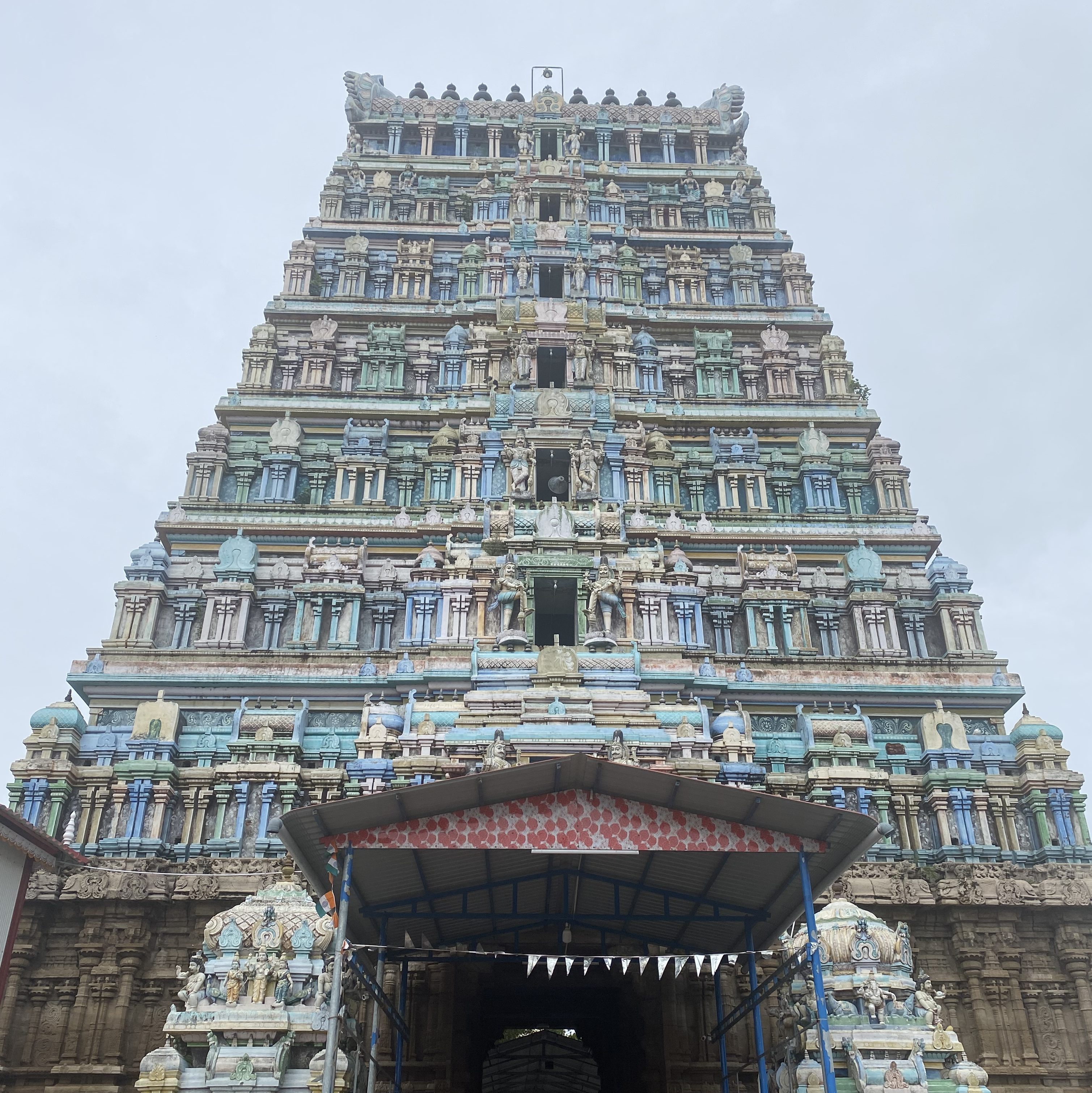
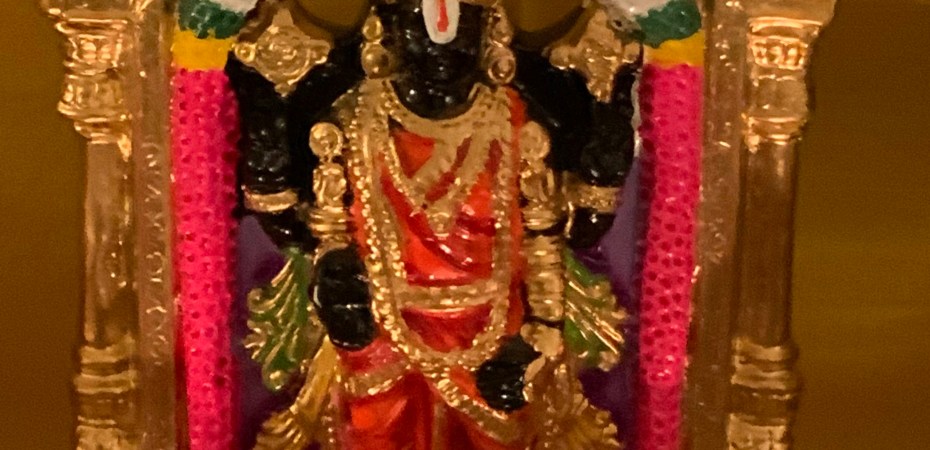
 Kshetra Kshetrajna Yatra