குறைவு இலா நிறைவே! கோது இலா அமுதே! ஈறு இலாக் கொழும் சுடர்க் குன்றே! மறையும் ஆய், மறையின் பொருளும் ஆய், வந்து என் மனத்திடை மன்னிய மன்னே! சிறை பெறா நீர் போல், சிந்தைவாய்ப் பாயும் திருப்பெருந்துறை உறை சிவனே! இறைவனே! நீ, என் உடல் இடம் கொண்டாய்; இனி, உன்னை என் இரக்கேனே?
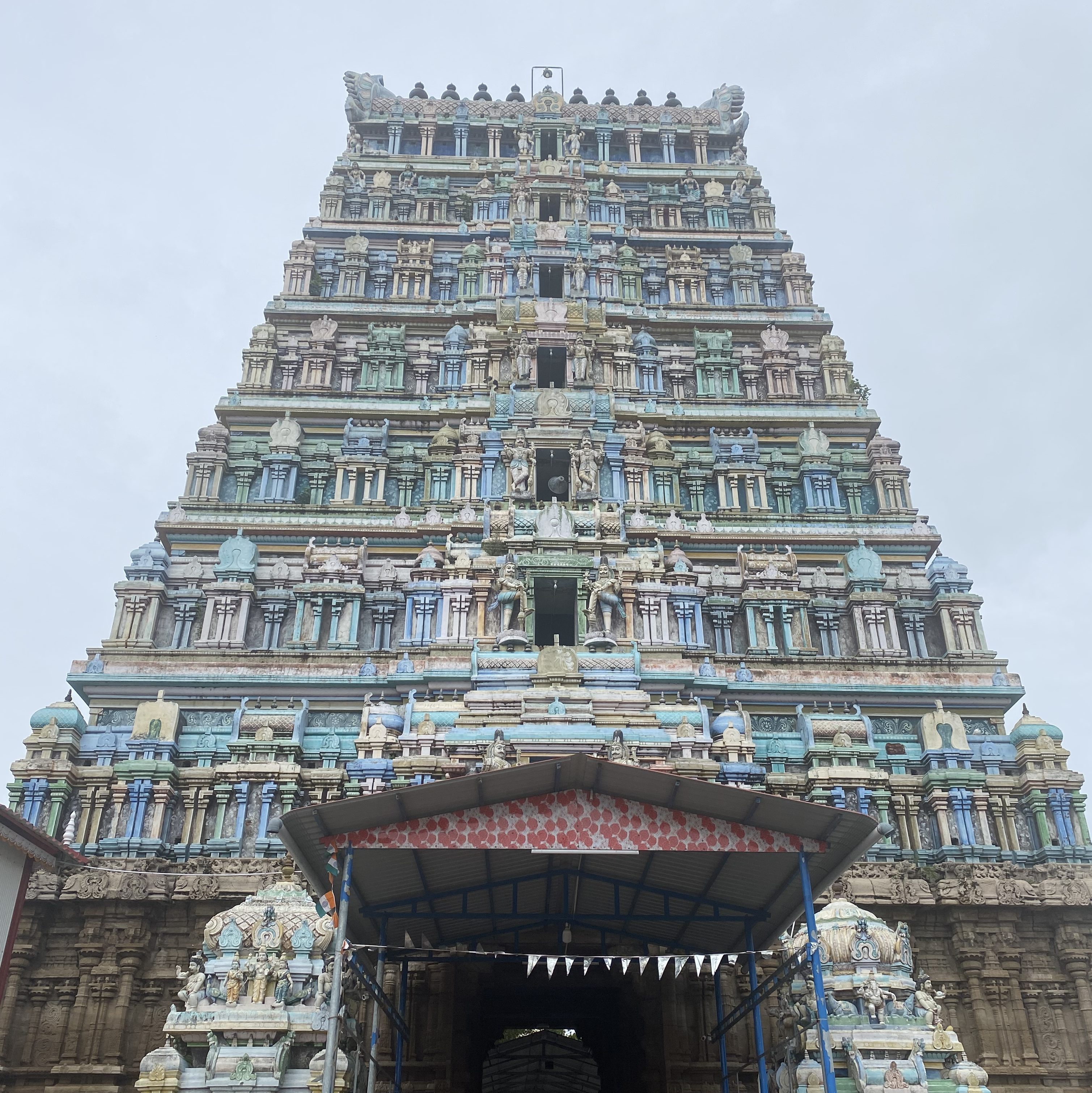
Thurai, in thamizh means ‘port’ and perunthurai indicates the size. Thiruperunthurai, hence got this name as the place that acts as a portal from where divine intervention helps souls cross the realms of birth and death cycles and attain moksha (salvation). Modern name for this place is “Avudaiyar koil” based on the residing deity’s name “Athmanadar” who is formless and hence there is no Shivalinga in this temple. Only the platform or ‘avudaiyar’ exists. Purely experiential worship happens. Simliarly, the Godess “Yogambika” is also formless.
Built in the 9th century, during the Pandya rule (Arimardhana Pandian) by his chief minister, Thiruvādavūrār, the temple at Thiruperunthurai is an architectural marvel. Every pillar and every hall in this temple have exquisite carvings and amazing workmanship and attention to detail that look so realistic. The granite roof which has rafters carved out of stone and nuts and bolts and rings in it are a sight to see as are the life sized sculptures of people, horses.
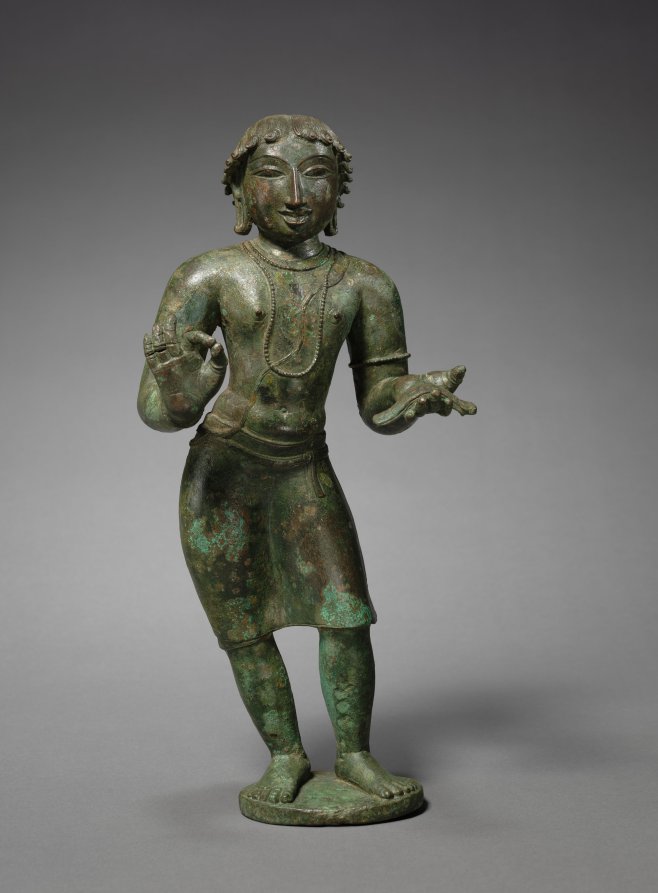
The sthala puranam of the temple appears in the life history of Thiruvādavūrār a learned scholar, who later became to be known as “Manikkavāchagar”. The story is not part of the Periya Purānam composed by Sekkizhār but in a separate text “Thiruvilayādal Purānam”.
In short, Thiruvādavūrār is sent to the coastal town to purchase horses for the king, and while he and his entourage are camped at this site during their journey, he has a vision of Shiva directing him to build a temple here. He finds a yogi under the kurundhai tree close by and it turns out the yogi is none other that Shiva himself and Thiruvādavūrār gets enlightenment or “diksha” from the sivayogi (thiruvadi dikshai). He then proceeds to build the temple using all the money he brought for buying horses and how the king Varaguna Pandiyan/Arimardhanan becomes a believer is the rest of the story.
Here at Thiruperunturai, Thiruvādavūrār composed 20 out of the 51 parts of Thiruvachagam (including Sivapurānam) which are part of the 8th thirumurai – which expatiate the Saiva Sidhantha philosophy in great detail. The texts are revered as much as the vedas as they are considered to be gems of vedanta (manikkam) and hence Thiruvādavūrār came to be known as Manikkavāchagar.

 Kshetra Kshetrajna Yatra